The short version
- One box, one place, eight things. €80–140 to build, and €100 of that is cash you keep.
- It covers the night the power goes out, the phone dies, or someone needs a bed.
- Skip the doomsday gear. You are going to a hotel or a friend's sofa.
Why this matters
The first twenty minutes of a bad night are the expensive ones. You make decisions in the dark, with a dead phone, and no cash. That is when you pay €60 for a taxi you could have avoided, or drive to three cash machines at midnight, or realise your passport expired in March.
A box removes the first twenty minutes. It does not make you ready for everything. It makes you the person in the building who has a torch and a hundred euro.
There is a second reason, and it is not about you. Someone calls at eleven because their flat is flooding, or their car died, or they have nowhere to sleep. The box is what lets you say yes without a trip to a cash machine first.
The first ten minutes
The box is not the plan. The plan is what you do before you open it.
- Light. Torch on. Your phone torch is a battery you may need later.
- Check the breaker. Plenty of power cuts are one switch in your own flat. Look before you call anyone.
- Check the building. Stairwell, hallway, neighbours. If the whole street is dark, it is the grid. If it is only you, it is your fuse box or your bill.
- Call one person. From the written list, not from memory. Say where you are and what happened.
- Decide: stay or go. No heat, no lift, below zero, or a phone at 4% — go. One night on a friend's sofa costs nothing. Waiting it out in a cold flat costs a day.
Ten minutes, five decisions, and the night stops being an event.
What goes in it
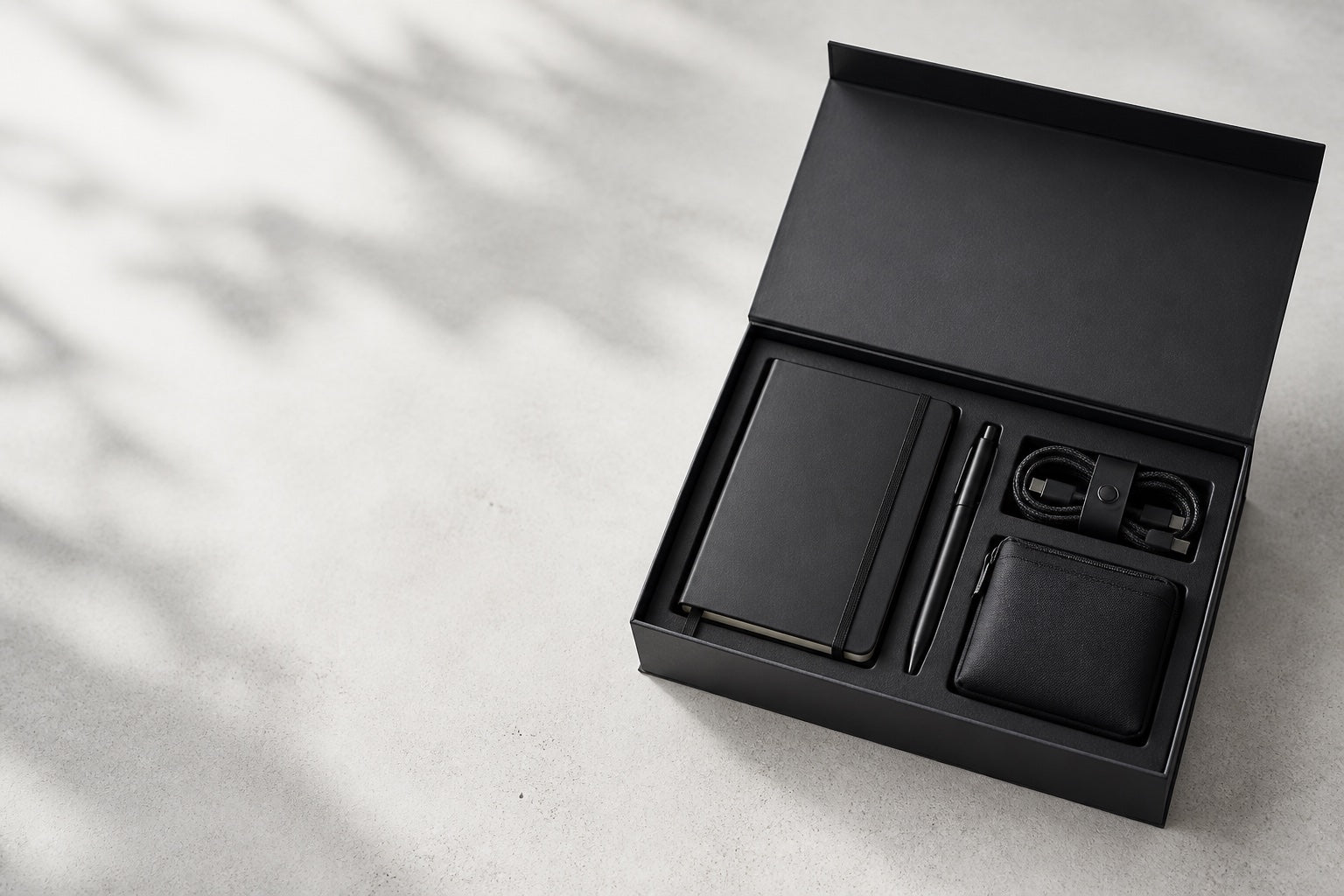
One plastic crate or a shoebox. Not a cupboard spread across three rooms. One box, one shelf, and everyone in the flat knows where it is.
- A torch and spare batteries. €20 LED, plus four AAAs. Keep it in the box, not in the drawer where it will migrate.
- €100 in small notes. Twenties and tens. A single €100 note is hard to break at 11pm and looks like a problem.
- Copies of your documents. ID, insurance, bank card numbers, two passport photos. Paper, in a plastic folder. Your phone is the thing that might die.
- A charged power bank. 10,000 mAh, €25–40. Check it every six months. A dead power bank is a brick with a cable.
- A first aid kit that is not three old plasters. Gauze, tape, antiseptic, painkillers, gloves, a thermometer.
- Six litres of water. Two litres per person per day, so three days for one person or a day and a half for two. Rotate it once a year. Cheap insurance against a burst main.
- A written list of three people and their numbers. On paper, in pen. Your mother, a neighbour, a friend with a car.
- A one-page plan. Where to go if the building is out for a day, who calls whom, what to grab on the way out. Half a page is enough. The point is that you wrote it before you needed it.
Where to keep it: a hall cupboard or a shelf you can reach without turning on a light. Not the cellar. Not the top of a wardrobe behind the winter coats. Tell one other person where it is.
What to skip
What to skip
The 72-hour bug-out bag from a survival site. The gas mask. A year of freeze-dried food. Faraday pouches, a folding shovel, and a water filter rated for a river you will never visit. You are not going into the woods. You are going to a hotel, a friend's sofa, or your parents' house. A €300 kit mostly buys weight and a story you will tell once.
What it costs
What it costs
Torch and batteries: €20–30. Cash: €100, which is still yours, just sitting in a drawer. Document copies and folder: €5. Power bank: €25–40. First aid: €25–40. Water: €5. Total: €80–140, and €100 of that is cash you keep. The cheap version works. A €15 torch and a €20 power bank will do the job for years.
A box you have checked twice is worth more than a kit you bought once.
Do this today
Put €100 in small notes in an envelope. Write three phone numbers on the front in pen. Put it somewhere you would find in the dark. Fifteen minutes, and the box has started itself.